10 Things Your Denver HVAC Technician Wishes You Knew
Published: 2026-06-12 · By TrustMark Heating and Cooling
If you live in Denver, navigating the fluctuating weather patterns can often feel like a daily challenge. One day it’s sunny and warm, and the next day you’re shoveling snow off your driveway. Understanding the nuances of your heating and cooling systems in this climate is crucial, especially when considering the implications on comfort, efficiency, and even your home’s structure. At TrustMark Heating and Cooling, we want to ensure you are well equipped with knowledge. Here are ten essential insights your HVAC technician wishes you knew.
Why This Matters for Denver Homeowners
For Denver homeowners, rapid temperature swings can wreak havoc on HVAC systems. With winter lows often plummeting well below freezing and summer highs reaching the 90s, systems need to be resilient. This can lead to unexpected breakdowns if proper maintenance isn't performed. Additionally, the local hail storms can damage outdoor units if not shielded properly. Heavy snowmelt in spring is another challenge that affects drainage and moisture levels in your home, making regular HVAC inspections essential.
Moreover, Denver’s unique expanse of clay soils results in settlement issues that can impact your home’s foundation. Not taking HVAC care seriously can lead to costly damage not just to your system but to the very integrity of your home. Homeowners often overlook how freeze-thaw cycles in spring can spell disaster—causing pipes to burst or ceilings to sag if preventative measures aren't taken.
Expert Solutions & Actionable Tips
1. 1. Regular Maintenance is a Must
In Denver's harsh climate, scheduling seasonal HVAC maintenance is non-negotiable. Technicians recommend annual checks for both heating and cooling systems, ideally in the fall and spring. This service typically costs between $150-$250 and can significantly extend the lifespan of your system.
Neglecting maintenance can lead to system failures and costly repairs, especially when you need your heating the most during snowstorms.
2. 2. Insulate Properly
Many Denver homes lack adequate insulation due to their age. Insulation upgrades can cost anywhere from $1,200 to $3,500. Proper insulation helps retain heat in winter and keeps your home cool in summer, maximizing energy efficiency without a hefty price tag on your utilities.
It's particularly important for homes built in the mid-20th century, where outdated insulation can lead to significant energy loss.
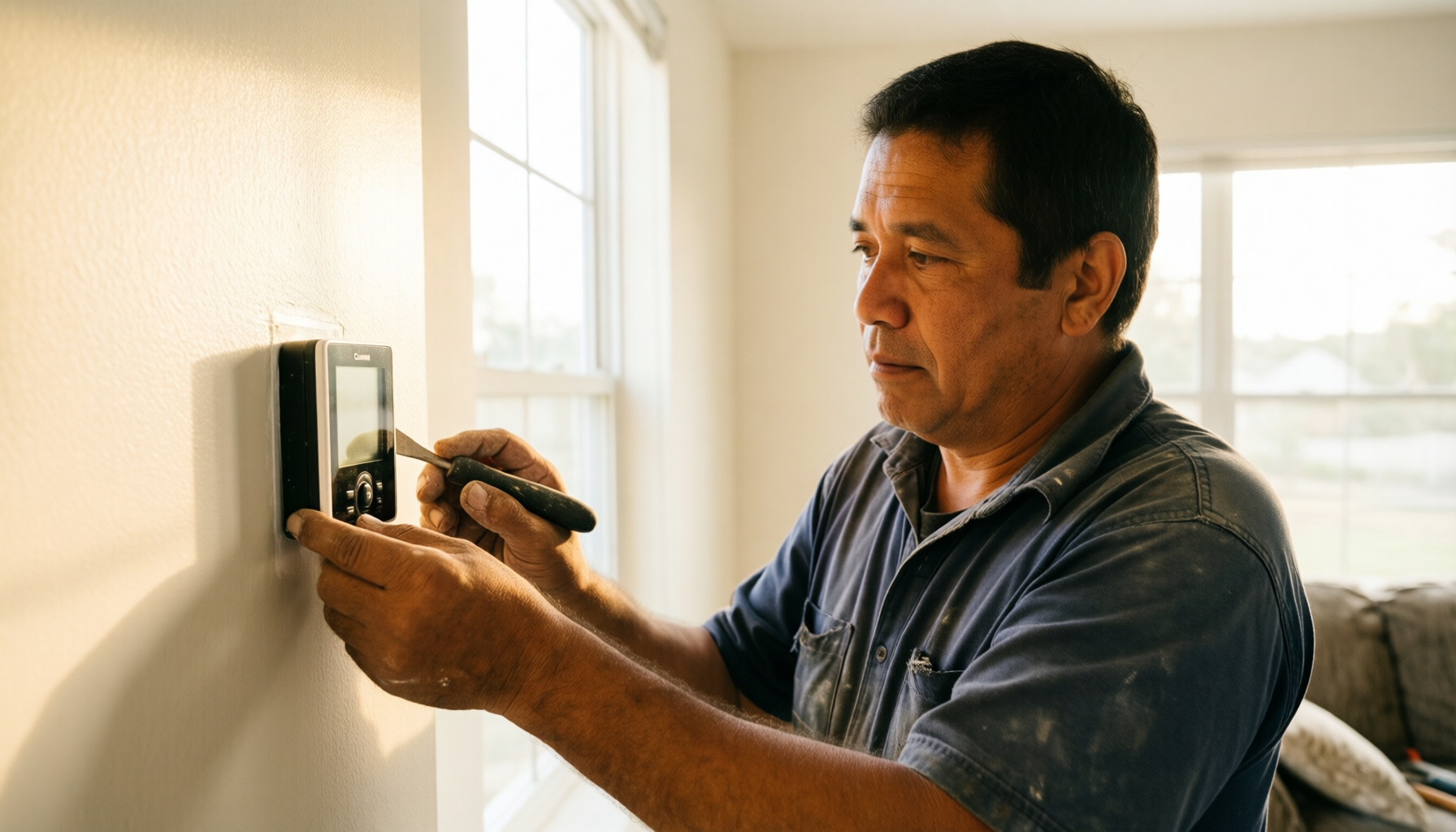
3. 3. Invest in a Smart Thermostat
Smart thermostats can optimize energy use based on your habits. Installed typically for around $200-$300, these devices learn when you’re home and can adjust temperatures accordingly. In a city with temperature swings, this not only maintains comfort but can also save up to 10-15% on energy bills.
Utilizing these tools ensures that your HVAC system doesn’t work harder than necessary.
4. 4. Understand Humidity Control
Denver’s arid climate means humidity levels can seriously affect comfort. Investing in a whole-home dehumidifier can cost around $1,500-$3,500 but is often worth it. A dehumidifier keeps your HVAC running efficiently, preventing mold and ensuring better air quality.
Proper humidity levels improve health, comfort, and system longevity.
5. 5. Pay Attention to Air Filters
Changing your air filters is a simple task that can drastically improve your HVAC efficiency. Ideally, you should be replacing filters every 1-3 months, depending on usage. Filters can cost between $10 and $40, but neglecting this simple task can lead to increased wear and tear, skyrocketing energy costs, and poor air quality.
Regular filter changes can enhance airflow and reduce allergens in your home.
6. 6. Know When to Upgrade
HVAC systems typically last 15-20 years. If yours is approaching or beyond this age, the cost of frequent repairs might exceed that of a new unit. New systems might cost between $3,000 and $7,500, but they are much more efficient and feature advanced technology that can lower your energy bills.
Consult with TrustMark for a thorough evaluation to avoid ongoing expenses related to outdated systems.
Denver Climate & Local Context
Denver's unique climate dictates specific needs for HVAC systems. The city experiences heavy snowfall and significant hail, necessitating robust outdoor units. Local building codes often require additional drainage systems in homes built on expansive clay soils, complicating maintenance requirements.
The local code also mandates inspections prior to renovations or installations, ensuring safety and lasting performance. Understanding your local weather patterns can empower homeowners to choose the right system and maintenance strategy.
When to Call a Professional
Identifying when to tackle HVAC issues on your own versus when to call a professional can be tricky. For DIY enthusiasts, simple filter replacements and thermostat settings are manageable. However, certain red flags indicate when you should consult TrustMark Heating and Cooling:
- Increased energy bills without changes in usage
- Unusual sounds or smells from the system
- Inconsistent temperature across rooms
- Frequent cycling on and off
- Water leaks around the HVAC unit
- Age of the unit nearing 15 years
Your safety and a functioning system should always remain a priority, so don’t hesitate to call an expert.
Frequently Asked Questions
What should I do if my HVAC system isn't cooling?
First, check your thermostat settings and ensure your filters aren’t clogged. If problems persist, it’s best to reach out to TrustMark Heating and Cooling for an inspection.
How often should I perform HVAC maintenance?
For optimal performance, it's recommended to schedule maintenance twice a year—once in fall and once in spring.
What is the lifespan of an HVAC unit?
On average, a well-maintained HVAC system can last between 15 to 20 years; beyond this, it is wise to consider replacement options.
Can I install a new HVAC system myself?
It’s not advisable. HVAC installations require specialized knowledge and local permits to ensure safety and efficiency.
What size HVAC system do I need for my home?
The right size is determined by a variety of factors, including home size and insulation levels. Consult TrustMark for a precise calculation.
Get Expert HVAC Service in Denver
Keeping your HVAC system in optimal condition is essential for comfort and efficiency, especially in unpredictable Denver weather. Don’t wait for an emergency—schedule a maintenance check or consultation with the experts today!
Contact TrustMark Heating and Cooling at (719) 497-7639 to ensure your home remains a haven, regardless of the weather outside.