Carbon Monoxide Risks: Why Denver Homeowners Need HVAC Inspections
Published: 2026-06-12 · By TrustMark Heating and Cooling
As a Denver homeowner, you know how quickly the weather can change. One day, you might be basking in sunshine, while the next brings a sudden hailstorm. With temperature fluctuations and a unique climate, ensuring your HVAC system is functioning efficiently takes on new urgency. A particularly insidious threat lurks in the background—carbon monoxide. Given the age of many homes in our area, this colorless, odorless gas can seep from faulty heating appliances, creating a potentially lethal situation. It’s essential for every homeowner to be vigilant about the performance of their HVAC systems and the associated risks of carbon monoxide, especially in Denver.
Why This Matters for Denver Homeowners
With the freeze-thaw cycles that characterize Denver's early spring, homeowners face significant structural stress that can lead to HVAC malfunctions, including faulty gas furnaces. Carbon monoxide leaks commonly arise from cracked heat exchangers, a risk that increases as your system ages. Moreover, the expansive clay soils in the Denver metro area can shift under your home, which might affect venting for appliances. Accumulating moisture or damage can further exacerbate gas leaks, placing your family’s health at high risk.
While the beauty of Colorado is undeniable, it comes with unique risks. Heavy snowmelt in spring can overwhelm drainage systems in older homes, raising the chances of moisture infiltrating your HVAC system and complicating repairs.
Protecting your loved ones is paramount. Accumulating symptoms such as headaches, dizziness, or nausea could signal a carbon monoxide buildup. Understanding these risks is crucial for homeowners in Denver.
Expert Solutions & Actionable Tips
1. Schedule Regular HVAC Inspections
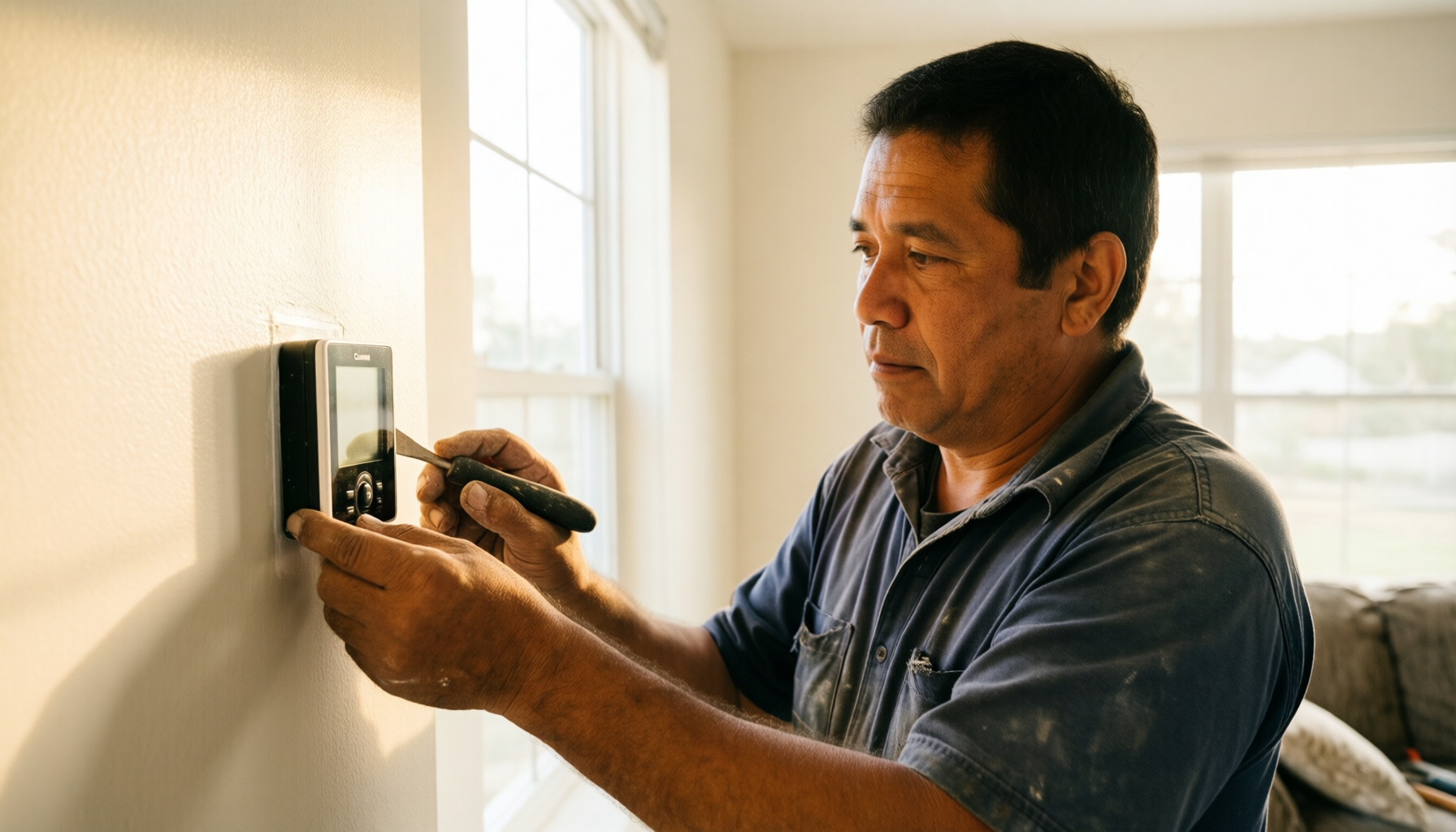
Investing in annual HVAC inspections can prevent potential carbon monoxide issues before they arise. TrustMark Heating and Cooling recommends scheduling these inspections before the heating season begins. Expect to pay between $100 and $200 for a full inspection. Regular checks can catch tiny issues before they escalate, potentially saving you thousands in repairs and increasing safety for your family.
The HVAC technician will examine the system’s venting, checks for gas leaks, and ensure there are no blockages in exhaust systems. Doing so can help identify problems early, significantly reducing the chances of carbon monoxide exposure.
2. Upgrade Your Heating Appliances
If your home has older gas appliances, consider upgrading to a modern, energy-efficient model. New furnaces and water heaters are designed with enhanced safety features, including improved venting and tighter seals. While it may feel like a hefty investment up front—usually ranging from $3,000 to $8,000—new models can dramatically lower energy bills in the long term.
Additionally, many utility companies provide rebates or incentives for new installations, which can ease the financial burden. This investment not only protects your family from carbon monoxide risks but can also add value to your home.
3. Install Carbon Monoxide Detectors
Carbon monoxide detectors are your first line of defense against this silent danger. Homeowners in Denver should install these devices on each floor of their homes, ideally near sleeping areas. Quality detectors typically range from $30 to $100 each.
Check the expiration date regularly; most units need replacing every five to seven years. In Denver’s climate, high-altitude factors can influence the performance of these devices, so testing regularly is essential for effective monitoring.
4. Watch for Signs of HVAC Issues
Stay vigilant for any signs that your heating system is malfunctioning. Pay special attention to rust or discoloration around the appliance, unusual smells, or the presence of stale air. These may indicate underlying issues that could compromise safety and require immediate attention.
Additionally, if your home appears excessively dusty or if residents are experiencing unexplained fatigue, these could also be indicators of an HVAC system struggling to operate properly.
5. Understand Local Codes for HVAC Installation
When installing or repairing HVAC systems, be aware of Denver's strict building codes. Local regulations dictate that all gas appliances must be vented appropriately, and installers must follow certain safety protocols to prevent gas leaks. Failing to comply can result in costly fines and may compromise your home’s safety.
Consult with TrustMark Heating and Cooling for expert guidance on compliance with the latest codes. Having knowledgeable professionals on your side will effectively protect both your family and property.
6. Maintain Adequate Drainage Around Your Home
Adequate drainage is vital, particularly in Denver where rapid snowmelt can lead to oversaturation of the ground. Make sure gutters and downspouts direct water away from your home’s foundation. Regular maintenance to clear debris from gutters will prevent water accumulation that could cause foundation damage or HVAC issues from infiltrating water.
Some homeowners may need to invest in professional drainage solutions, which could cost between $1,500 and $5,000. This expenditure not only protects your HVAC but also promotes the long-term integrity of your property.
Denver Climate & Local Context
Denver's climate is characterized by rapid temperature swings, making reliable HVAC systems essential not only for comfort but also for safety. The high altitude and varying weather conditions create a unique challenge in maintaining indoor air quality and system efficiency. Many homes here are situated on expansive clay soils, which can shift with moisture changes; thus, proper drainage and HVAC venting systems are crucial.
Furthermore, local building codes impose strict guidelines on HVAC installations, necessitating expert knowledge in compliance. Homeowners must ensure safety measures are enacted, particularly as homes often experience pressure from freeze-thaw cycles that could stress structural components, including those related to heating systems.
When to Call a Professional
While some HVAC troubles can be tackled by the handy homeowner, knowing when to call in a professional is key to keeping your home safe. Many Denver homeowners may feel confident in changing filters or adjusting thermostats, but addressing carbon monoxide issues requires expert knowledge.
- Unpleasant odors or humming noises from appliances
- Water pooling near furnace units
- Visible rust or corrosion on pipes
- Yellow or orange flames in gas appliances
- Increased utility bills without explanation
- Permanent soot or discoloration around appliances
If you encounter any of these warning signs, it's important to contact TrustMark Heating and Cooling promptly. Prioritizing safety and health should trump any DIY effort.
Frequently Asked Questions
What are the signs of carbon monoxide poisoning?
Common signs include headaches, dizziness, confusion, and lack of responsiveness. If you experience these symptoms, ventilate your home immediately and contact local emergency services.
How often should I schedule HVAC inspections?
It's advisable to schedule HVAC inspections at least once a year, preferably before the heating season starts, to prevent issues and ensure safety.
Can I install my own carbon monoxide detector?
Yes, you can install your own CO detectors, but ensure they meet local safety codes. Reliable placement is crucial for effectiveness, ideally near bedrooms.
Do HVAC systems need to be frequently cleaned?
Regular cleaning of HVAC systems, including ductwork, is essential—every 3 to 5 years can significantly improve air quality and system efficiency.
What should I do if my gas appliance starts making strange noises?
Strange noises indicate a potential issue; stop using the appliance immediately and call TrustMark Heating and Cooling for a professional assessment.
Get Expert HVAC Service in Denver
Your family's safety is paramount. Don’t risk carbon monoxide exposure; contact TrustMark Heating and Cooling to schedule an HVAC inspection today. Call us at (719) 497-7639 for comprehensive service in Denver.
With our expertise, you can ensure a safer, more comfortable home for you and your loved ones.