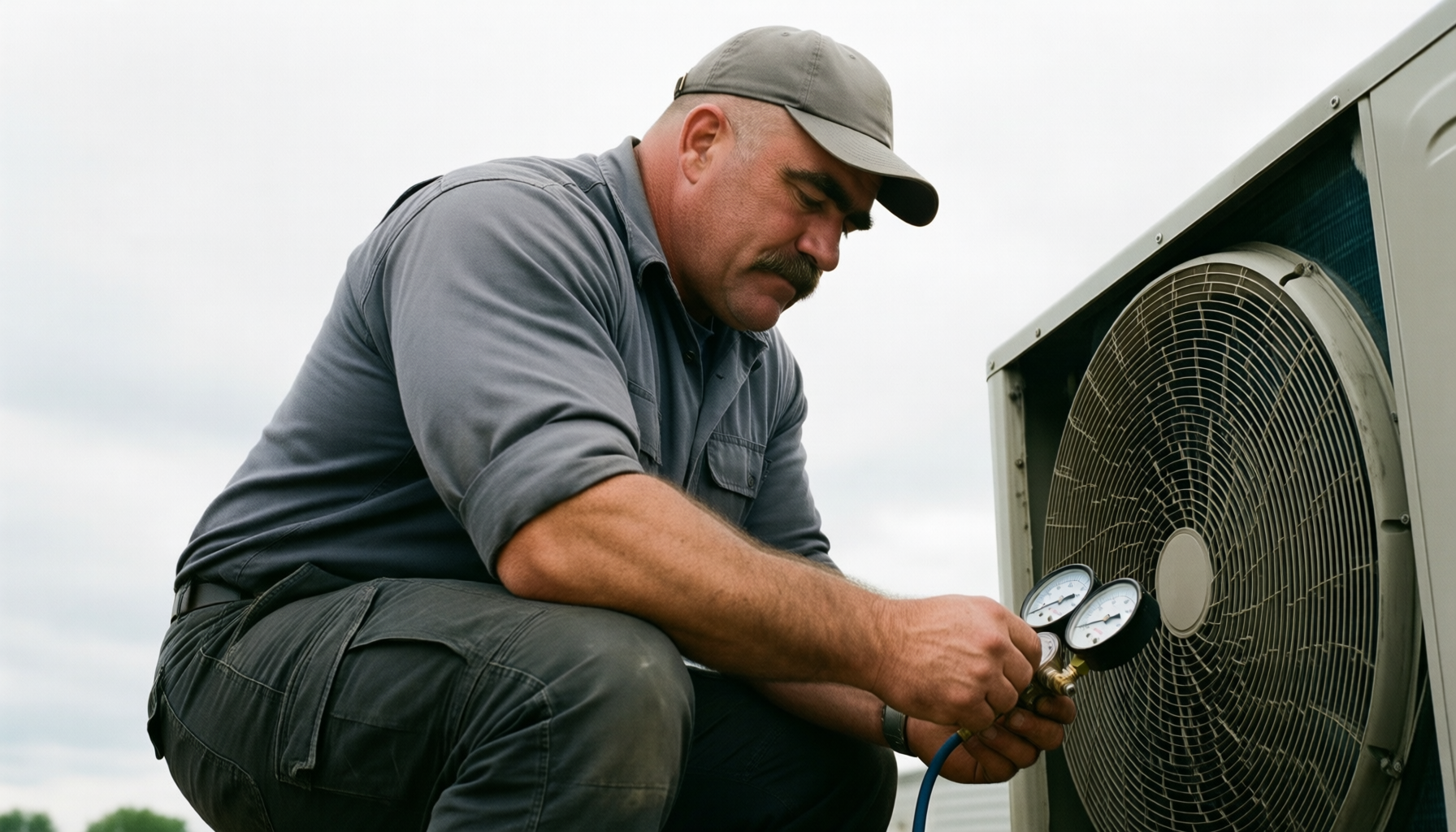
How to Handle HVAC Emergencies During Denver's Summer Season
Published: 2026-06-12 · By TrustMark Heating and Cooling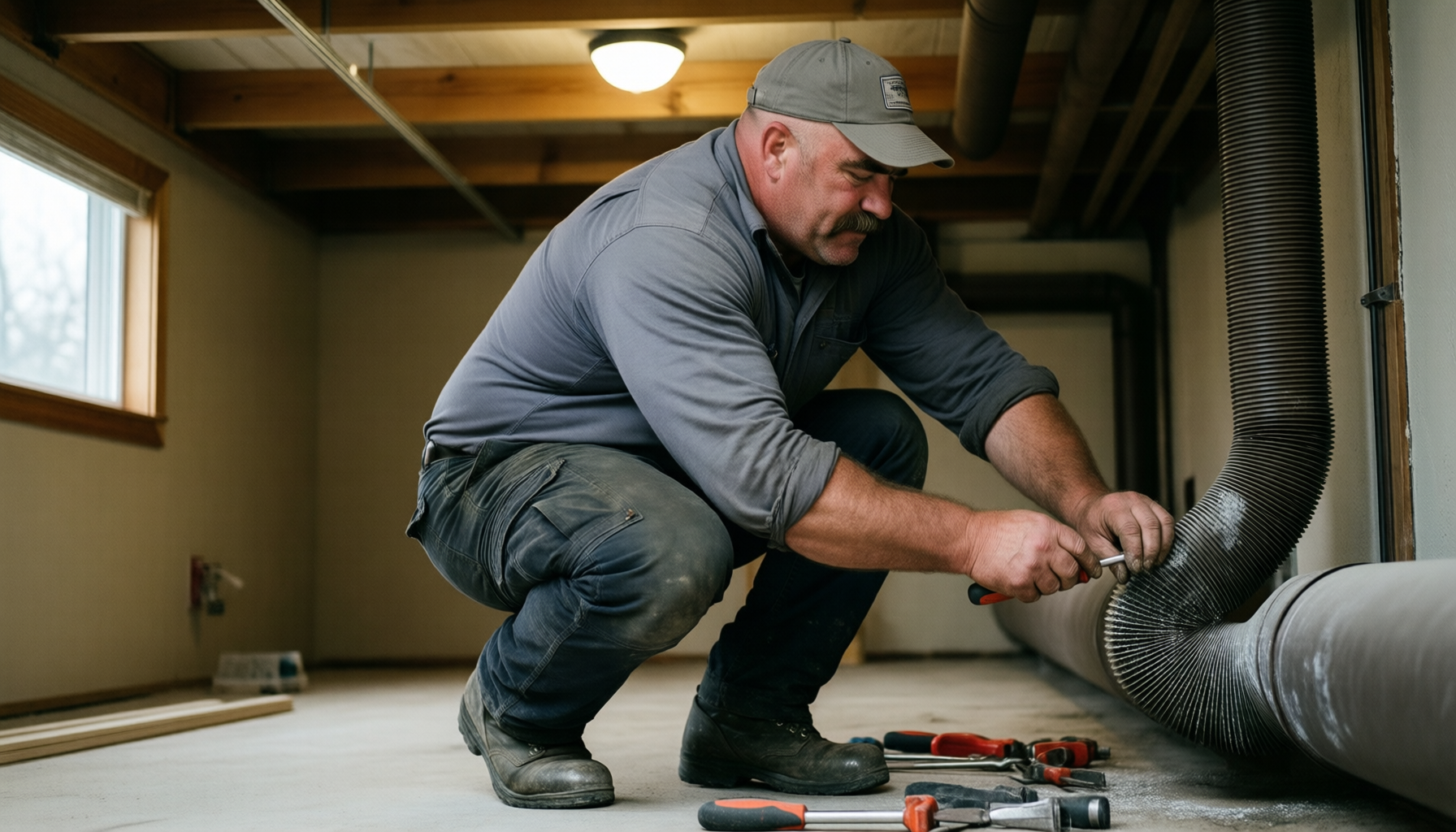
As summer descends upon Denver, there's a palpable buzz in the air—a mix of excitement for outdoor adventures and an underlying anxiety for homeowners, particularly when it comes to HVAC systems. Picture this: it’s a scorching afternoon, the temperatures have soared into the nineties, and suddenly your air conditioning unit stops working. With rapid temperature fluctuations and the threat of sudden hail storms, rapid resolutions become paramount.
This scenario isn’t merely a minor inconvenience; it can lead to discomfort and health issues if not addressed swiftly. Understanding how to navigate HVAC emergencies this summer ensures your home remains a sanctuary, regardless of the Denver heat.
Why This Matters for Denver Homeowners
In Denver, where weather can shift from sunny skies to stormy ones in a heartbeat, HVAC emergencies become a pressing concern for homeowners. The high-altitude climate sees rapid temperature swings, making reliable air conditioning a necessity—not a luxury. Moreover, with summer often bringing heavy snowmelt and humidity, air conditioning units face intense strain, resulting in potential breakdowns.
Many homes in the area feature expansive clay soils that can lead to structural issues affecting HVAC installations. An improperly maintained system can exacerbate these soil challenges, potentially resulting in costly repairs. It’s an urgent reminder that understanding how to deal with HVAC issues is crucial for maintaining comfort and safety in your Denver home.
More than just comfort, HVAC failures can lead to health implications, particularly for families with elderly members or young children. If a unit fails during a heatwave, the rising indoor temperature can affect everyone’s well-being. Being prepared is essential to avoid unnecessary crises.
Expert Solutions & Actionable Tips
1. Recognizing Signs of HVAC Trouble
Paying attention to your HVAC system can prevent emergencies. Unusual noises, weak airflow, or fluctuating temperatures from vents indicate issues that should be addressed timely. In Denver, you may experience issues due to the dryness that stresses your system. If you notice these warning signs, don’t wait; addressing them early can save you a service call of $75-$150 just to diagnose the problem.
2. DIY Troubleshooting Tips
Before making a frantic call to a technician, try simple DIY troubleshooting. Check your thermostat settings, replace clogged filters, and ensure the outdoor unit is debris-free. These minor tasks can resolve what seems like a major problem and can save you a service fee that varies from $100 to $300 depending on the diagnosis and repairs needed.
3. Emergency Service Availability
When an HVAC emergency strikes, knowing your service options can ease the stress. Some companies, like TrustMark Heating and Cooling, offer 24/7 emergency services for residents in Denver. Keep a handy contact list of local providers to ensure a quick response when temperatures rise abruptly. Expect to pay a premium for after-hours service, typically ranging from $150 to $400, depending on the complexity of the issue.
4. Understanding Local Weather Impacts
Summer storms in Denver can arrive suddenly, causing power outages that cripple HVAC systems. Be prepared with a backup cooling plan, such as portable fans and battery-operated air coolers. If you find yourself without AC during a heat wave, consider joining community cooling centers—many are provided free by local authorities. It’s not just a money saver but also ensures your health remains a priority.
5. Insulation Matters
Investing in proper insulation can significantly relieve your HVAC system's workload during the hottest summer months. Denver's homes often face temperature retention challenges due to clay soil expansion, leading to drafts. Sealing windows and insulating ducts can improve system efficiency, leading to savings of roughly 10-30% on your heating and cooling bills.
6. Seasonal Maintenance Scheduling
Prioritizing seasonal maintenance is crucial to avoid summer emergencies. Scheduling a pre-season inspection in late spring can catch issues before they become crises. Regular servicing can cost between $75 and $150 and often includes cleaning, adjusting, and testing system components to optimize performance.
Denver Climate & Local Context
Denver's climate presents unique challenges for maintaining HVAC systems, particularly during the summer months. Known for its quick temperature shifts alongside potential summer storms, the weather forces homeowners to stay vigilant. Many residences here are built on expansive clay soils, which can shift due to moisture changes and greatly affect HVAC units, particularly their outdoor components.
Additionally, compliance with local codes regarding HVAC installations and modifications is vital in Denver, ensuring that systems can handle the area's temperature extremes. Be aware: installing or modifying an HVAC system usually requires permits, particularly if it involves significant changes.
When to Call a Professional
Understanding when to tackle HVAC troubles on your own versus hiring a professional is essential. While some minor issues can be solved independently, others require specialized training. Homeowners should feel empowered to look for simple problems but recognize their limits.
- Unit refuses to turn on
- Incorrect temperatures produced by the system
- Recurrent breakdowns
- System emitting strange odors
- Your energy bill spikes without explanation
- Water leaks around the unit
If you encounter any of these situations, it's best to call a professional like TrustMark Heating and Cooling in Denver to avoid exacerbating the issue.
Frequently Asked Questions
What should I do if my air conditioning stops working in an emergency?
First, check your thermostat, as it may simply need adjustment. If it’s set correctly but the system still doesn’t respond, contact TrustMark Heating and Cooling immediately for prompt 24/7 service.
How often should I perform maintenance on my HVAC system?
It’s advisable to schedule professional maintenance at least once a year, preferably before summer begins to ensure optimal performance.
Can I perform HVAC repairs on my own?
For minor issues like changing filters or checking thermostat settings, yes. However, for complex problems or if you're unsure, it’s wise to consult a professional.
What are the symptoms of an underperforming HVAC unit?
Watch for fluctuating temperatures, unusual noises, and higher energy bills. These may indicate that your system needs professional attention.
Is emergency HVAC service very expensive?
Emergency service can range from $150 to $400 depending on the time and complexity of the service needed, but TrustMark Heating and Cooling provides transparent pricing.
Get Expert HVAC Service in Denver
Don't wait for the sweltering heat to catch you off guard. If you're facing an HVAC emergency this summer, don't hesitate to reach out to TrustMark Heating and Cooling. Call (719) 497-7639 to ensure your home stays comfortable and cool throughout Denver's summer months.
Our team is here to provide prompt and reliable service, so you can enjoy your summer without worries.